
2021
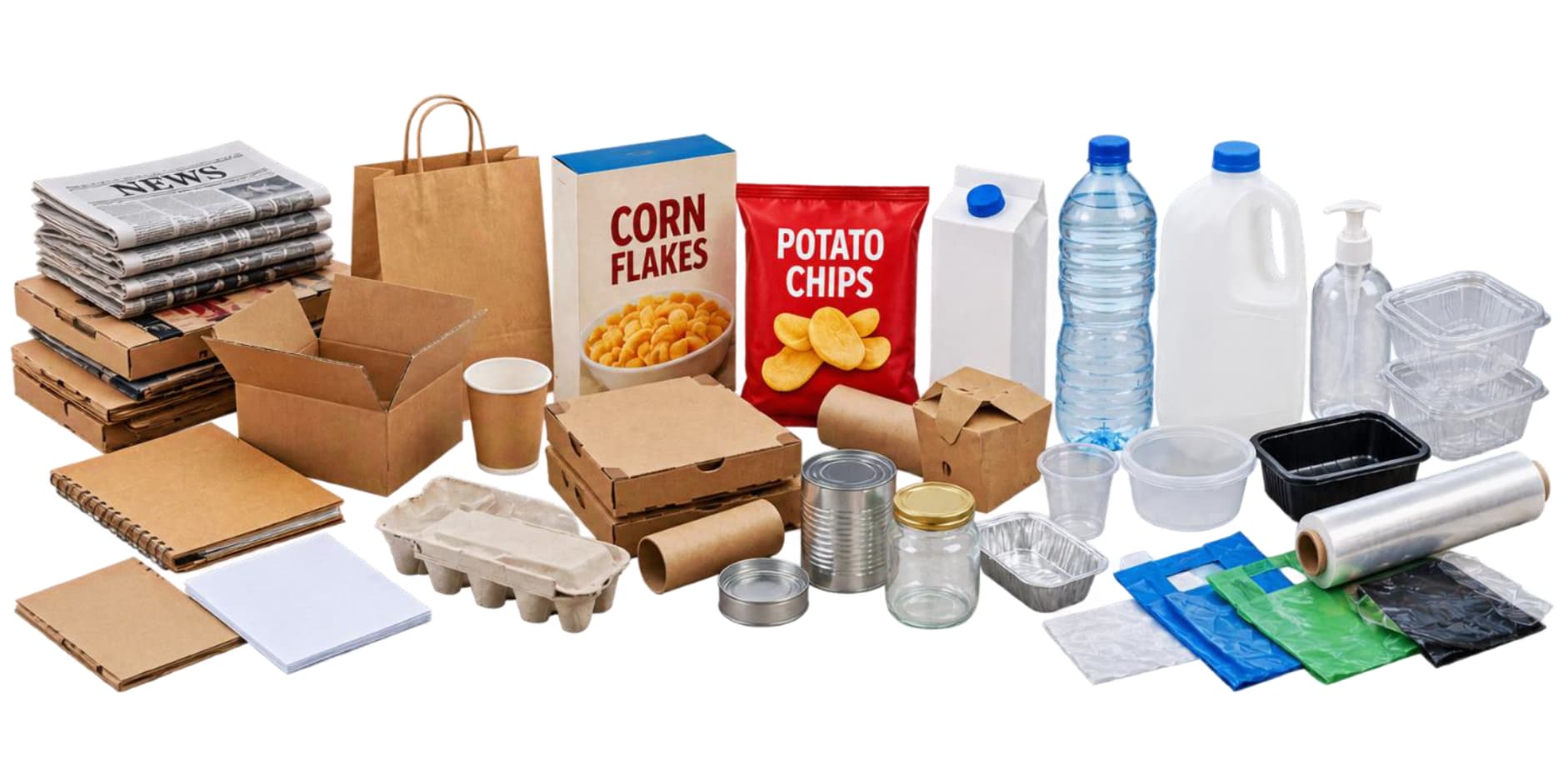
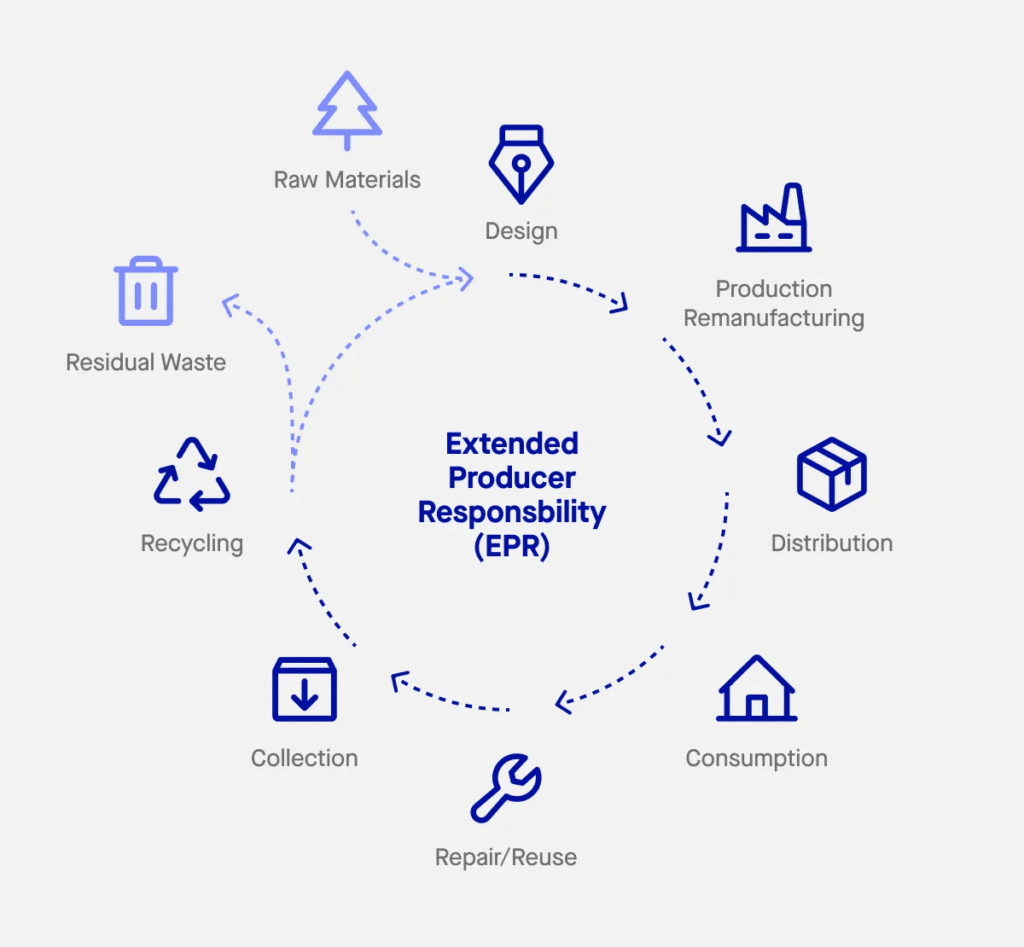
Paper & Packaging Focuses on post-consumer waste generated from everyday paper products, cardboard, plastic packaging, glass, and metal cans. EPR regulations require brand owners and manufacturers to fund and manage the collection, sorting, and recycling of these packaging materials to prevent them from entering landfills and rivers.
2021
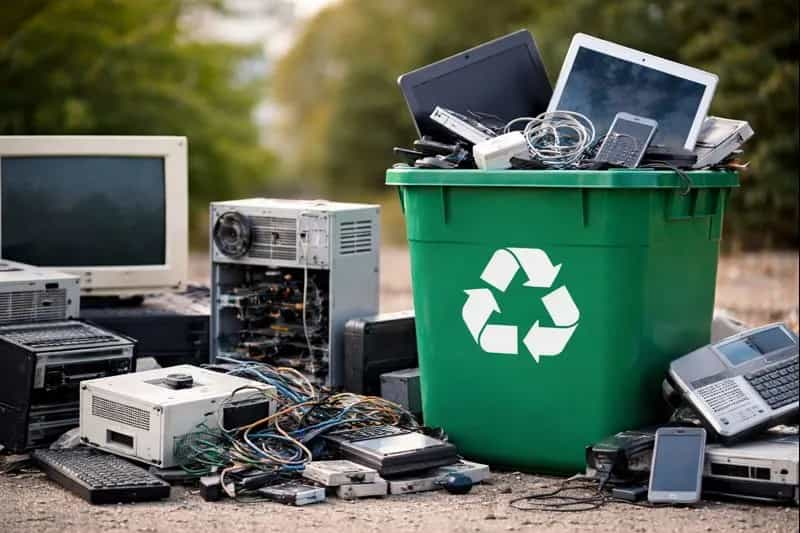
Covers e-waste, including household appliances, computers, televisions, consumer electronics, and IT equipment. These regulations enforce proper disposal and recovery mechanisms to capture valuable materials (like copper and rare metals) while preventing hazardous substances (such as lead and mercury) from polluting the environment.
2021
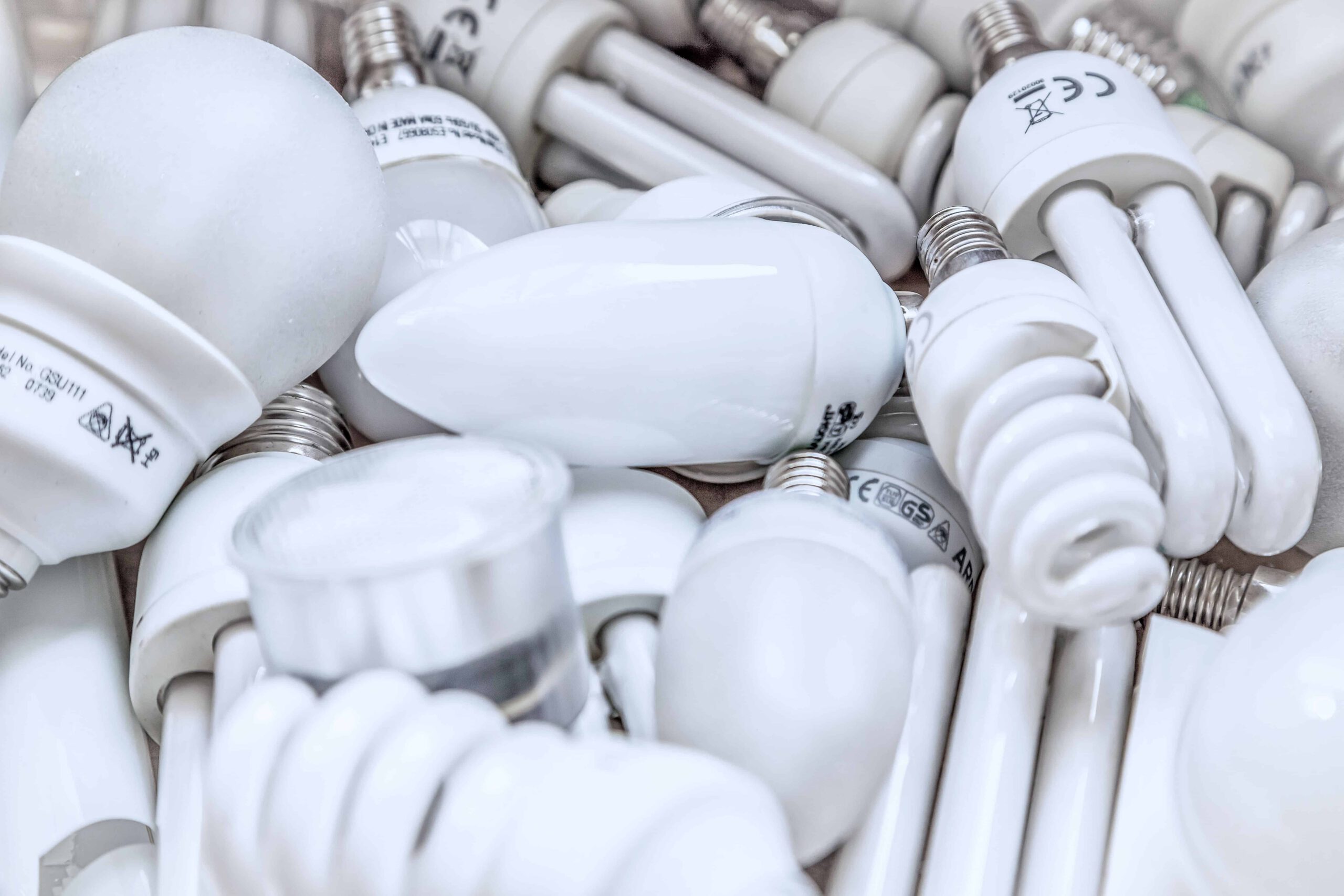
Applies to commercial and residential lighting products, including fluorescent tubes, CFL bulbs, LEDs, and discharge lamps. The emphasis is on safe recycling and toxic material containment (specifically mercury found in older bulbs) through dedicated drop-off points and certified recycler networks.
2023
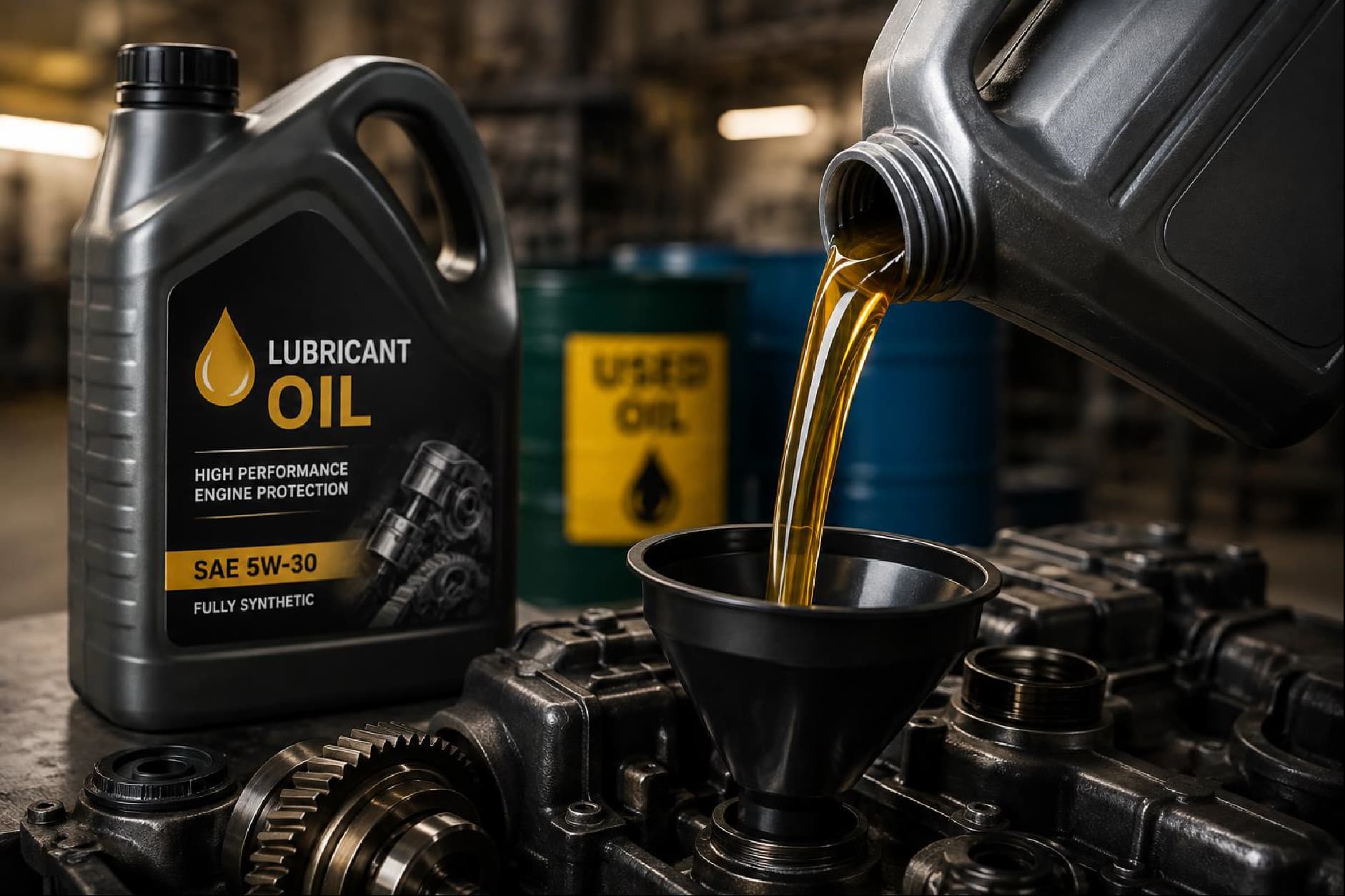
Targets used automotive, industrial, and machinery oils, as well as their containers. Improperly discarded oil causes severe soil and water contamination; the regulation mandates extended producer tracking to ensure used oil is re-refined, recycled into burner fuel, or disposed of safely.
2023
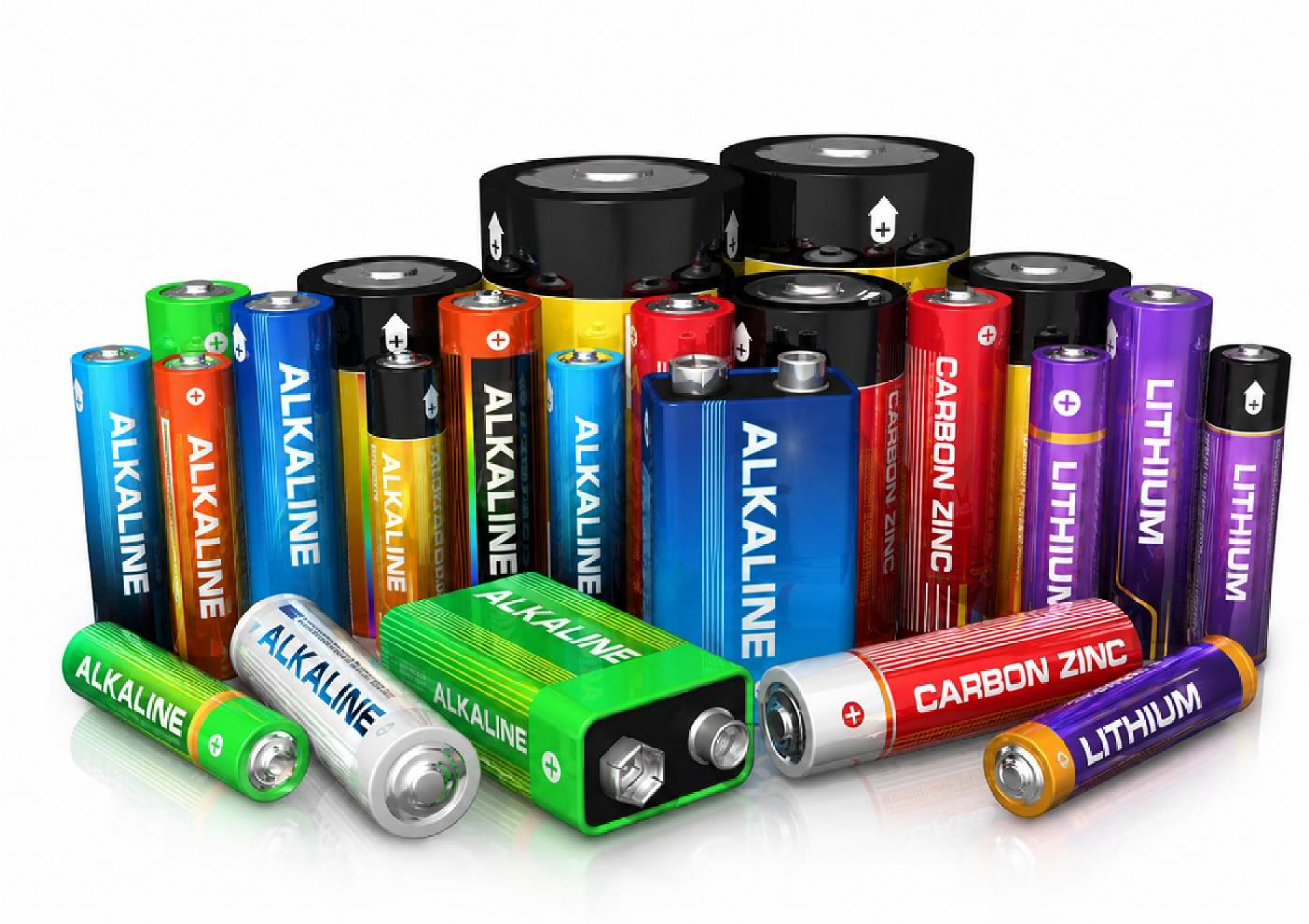
Covers single-use (alkaline) and rechargeable batteries used in household gadgets, tools, and electronics. Because batteries contain heavy metals (lithium, cadmium, nickel) that pose chemical fire and environmental risks, producers must establish safe collection infrastructure and recycling systems.
2023
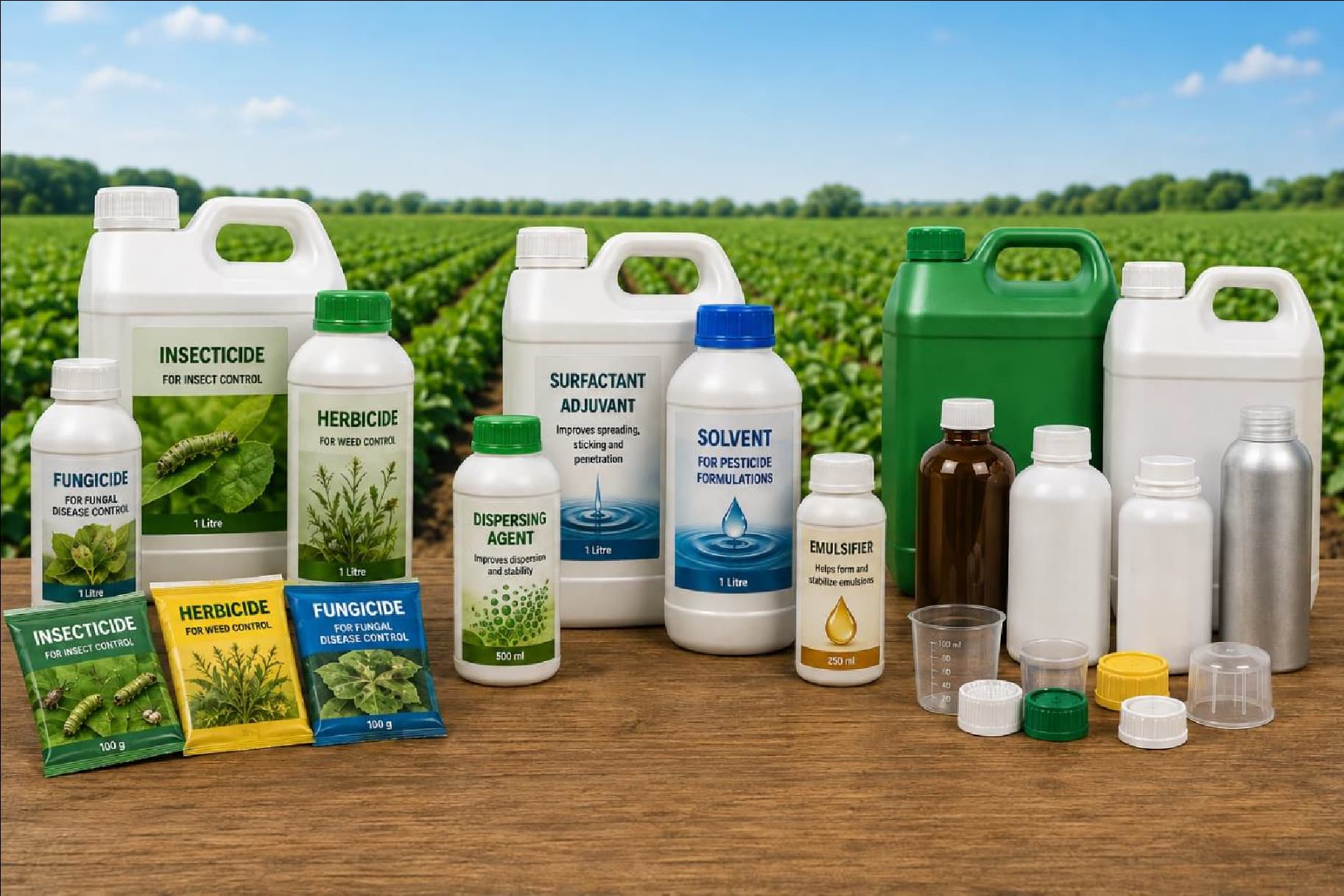
Applies to agricultural, commercial, and domestic pesticide products, as well as their chemical containers. Regulations ensure that empty pesticide containers are triple-rinsed, safely collected, and processed, preventing toxic chemical residue from leaching into crops, soil, and groundwater systems